
by Liz Bonis, WKRC | Click here to see the full story.
CINCINNATI (WKRC) – Pickleball’s popularity continues to surge, but doctors and physical therapists say the fast-growing sport is also bringing a rise in a familiar racket-sports injury: “pickleball elbow.”
A new report says pickleball is the fastest-growing sport in the U.S. for the fourth year in a row. As the season gets into full swing, specialists say players should watch for symptoms that include tenderness or pain on the outside of the elbow, weak grip strength, and stiffness before or after play.
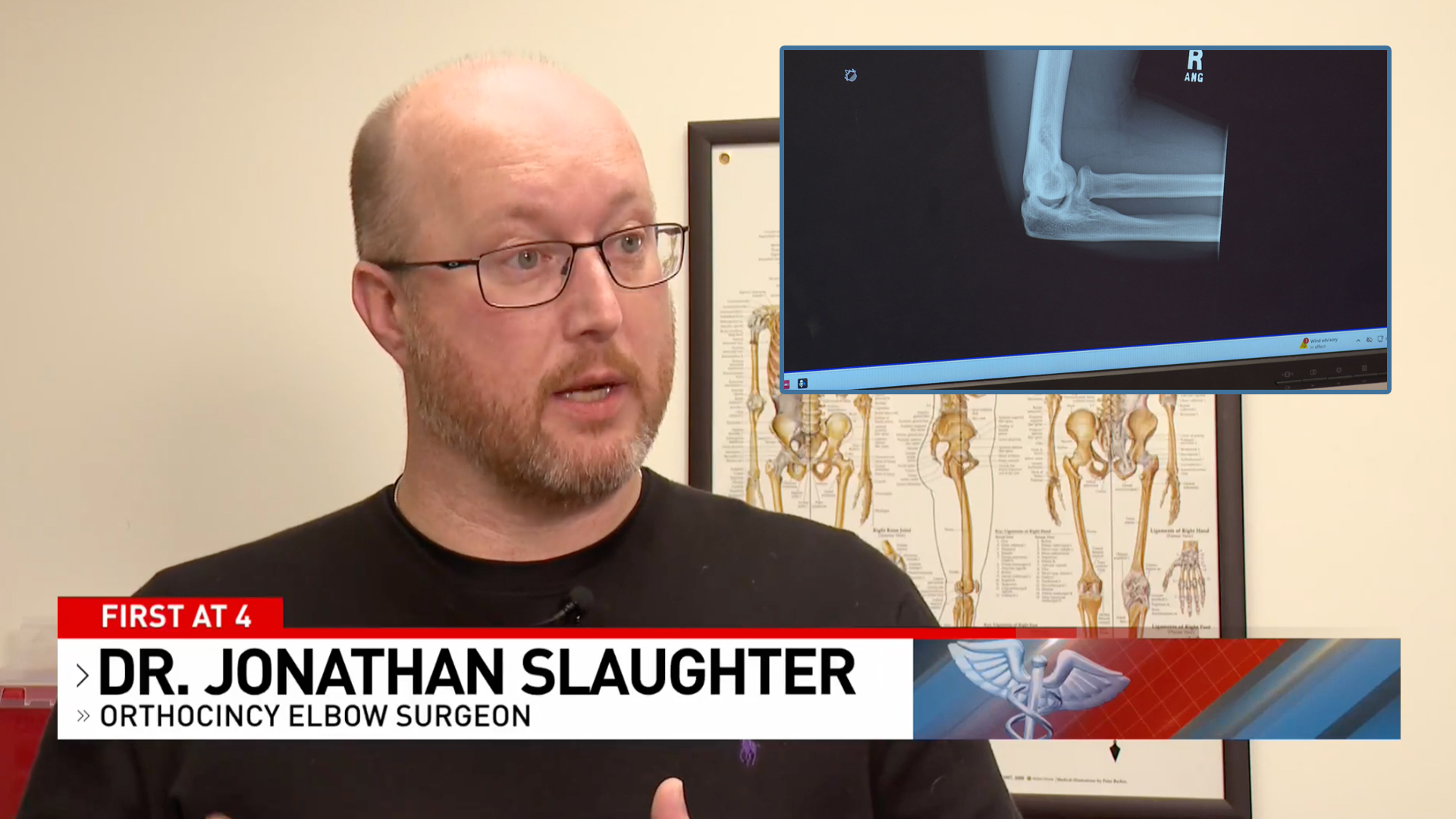
Dr. Jonathan Slaughter, an elbow specialist with OrthoCincy, said he is already seeing multiple cases in a single morning.
“I’ve already seen four of it this morning,” Slaughter said.
Slaughter said the condition is commonly called pickleball elbow or tennis elbow, and it can affect people even if they don’t play pickleball.
“It is actually one of the most common things we see. It’s actually on the outside of the elbow. It’s your extensors, so pulling your wrist and fingers back those muscles attach on the opposite side of the humerus and what happens is the tendon becomes unhealthy,” Slaughter said.
As people continue to play, Slaughter said the tendon can tear, which can be painful. Treatment typically involves about six months of anti-inflammatory medications, topical steroids and rest. If those steps don’t work, surgery may be needed.
“You go in and you find the part of the tendon that is unhealthy, you basically cut the unhealthy tendon out and then put holes in the bone to create bleeding to create healthy tendon to grow back,” Slaughter said.
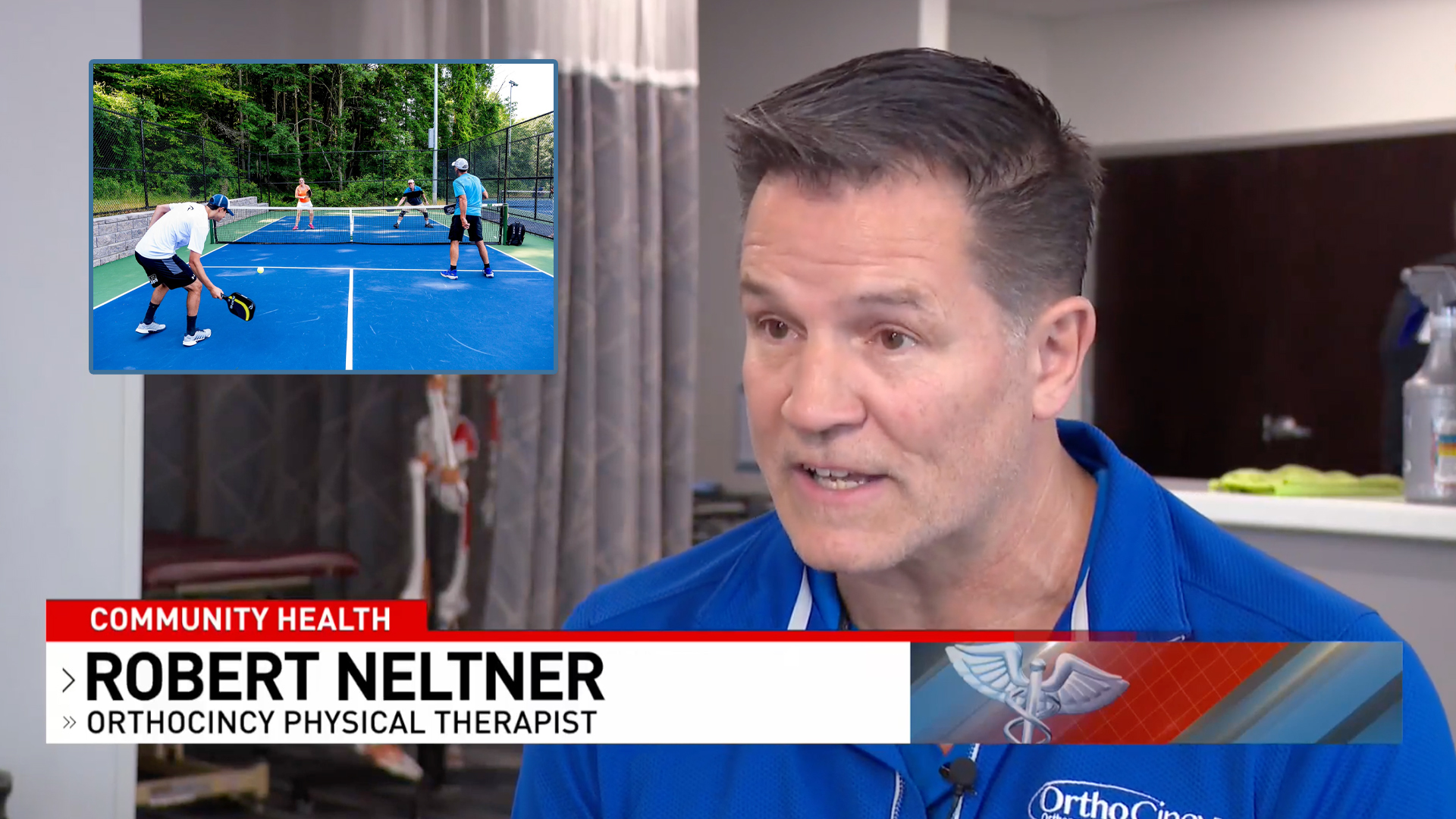
To help prevent the injury, OrthoCincy physical therapist Rob Neltner said stretching before playing is critical, especially for people who are not conditioned for the activity.
“So, you don’t want to not do anything and then go out and engage in a sporting activity if you are not conditioned for it,” Neltner said.
Neltner also emphasized proper form, including how a player stands, where they grip, and using proper elbow and wrist movements. He said players shouldn’t be afraid to ask a coach for a lesson or two to improve technique. He added that other exercise, such as upper-body strength training on days when players don’t play pickleball, can also help set them up for success.