
THERAPY
Physical Therapy | Hand Therapy | Occupational Therapy | Sports Rehab
8 LOCATIONS - KENTUCKY, OHIO & INDIANA
Blood Flow Restriction (BFR)
Blood flow restriction (BFR) therapy is a rehabilitation technique that involves restricting blood flow to a specific muscle group using a specialized tourniquet or cuff, while performing exercises at a lower intensity than normal. The goal of BFR therapy is to increase muscle strength, size, and endurance by creating an environment with less oxygen in the muscles. This makes the body respond in certain ways. These responses include building more muscle proteins, making more growth hormones, and creating new blood vessels.
Physical therapists commonly use BFR therapy for patients with various conditions, such as post-surgical recovery, osteoarthritis, and muscle atrophy due to immobilization. BFR therapy is also used in sports medicine and performance training to enhance athletic performance and accelerate muscle recovery.
Cupping
Myofascial cupping is a therapeutic technique that involves the application of suction cups to the skin's surface over areas of muscle tension or trigger points. It is primarily used to address issues related to the fascia, a connective tissue that surrounds muscles and other structures in the body. These cups create a suction effect, which gently lifts your skin and underlying tissues. You might feel a mild pulling or stretching sensation as the cups are applied. The cups can either remain stationary or be moved around on your skin. Cupping aims to improve blood circulation, stimulate the lymphatic system, relax tight muscles or trigger points, reduce inflammation, increase range of motion, and provide pain relief.
Dry Needling
Dry needling is a technique that uses thin needles, similar to acupuncture. They're called "dry" because they don't have any medicine or liquid on them. These needles are carefully inserted into specific areas of the body where there is muscle pain or tension. The aim is to target trigger points, which are tight knots or bands in the muscles that can cause pain/discomfort. By targeting these trigger points, dry needling helps release knots, reduce muscle pain or spasms, and improve flexibility and range of motion.
Gait Analysis
Gait analysis is a type of assessment that physical therapists use to evaluate a patient's walking pattern and identify any abnormalities or inefficiencies. Gait analysis typically involves a comprehensive evaluation of the patient's movement patterns, muscle strength, joint range of motion, and balance.
Based on the findings of the gait analysis, the physical therapist will then develop a treatment plan tailored to the patient's specific needs. This may include exercises to improve muscle strength or range of motion, balance training, or use of assistive devices such as braces or orthotics.
ISTYM / ASTYM
ISTYM & ASTYM are two soft tissue therapy techniques used to help improve mobility and reduce pain. Although they share some similarities, there are several key differences between the two techniques.
Instrument Assisted Soft Tissue Mobilization (ISTYM) involves using specialized stainless-steel tools to apply pressure and friction to soft tissues, such as muscles, tendons, and ligaments. The goal of ISTYM is to break up scar tissue and adhesions, improve blood flow, and promote healing. The tools used in ISTYM are shaped to fit various body parts and can be used with different levels of pressure and intensity. ISTYM is often used to treat conditions such as chronic pain, tendinitis, and post-surgical scarring.
Augmented Soft Tissue Mobilization (ASTYM) is another technique that uses special tools, but with a different approach. The tools used in ASTYM are designed to create tiny injuries in the affected tissues. This might sound strange, but it actually helps stimulate the body's natural healing process. The injuries trigger a chain reaction in the body that leads to removing damaged tissue, increasing blood flow, and regenerating healthy tissue. ASTYM is often used to treat ongoing conditions like tendinitis, plantar fasciitis (foot pain), and carpal tunnel syndrome (hand pain).
The Acceleration Program
The Acceleration Program at OrthoCincy is designed to help patients transition from Physical Therapy back to sports and high level activities. Through advanced training, we can reduce the risk of further injury and accelerate a return to sports.
Physical Therapy Locations:
513-605-1700 - Eastgate* - 4355 Ferguson Drive
859-817-4741 - Edgewood - 560 South Loop Road
859-817-4742 - Florence - 8726 US 42
812-496-3510 - Greendale - 1600 Flossie Drive.
859-817-4743 - Highland Heights - 2626 Alexandria Pike
513-605-1644 - Kenwood* - 9871 Montgomery Road
513-605-1660 - West Chester* - 8734 Union Centre Blvd.
*includes hand therapy
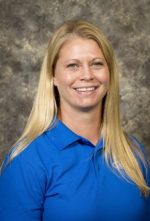
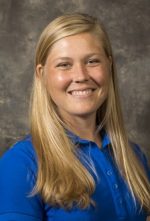
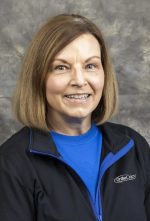
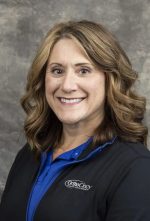
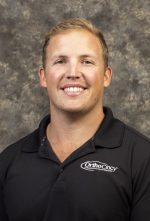
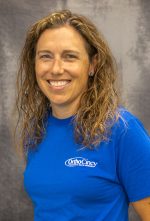
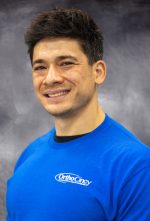
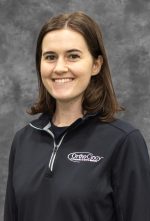
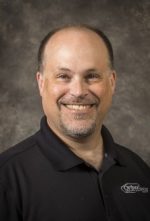
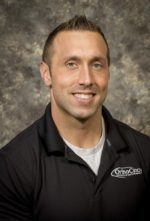
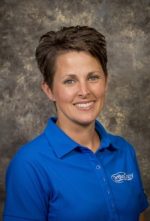
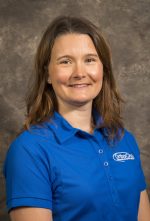
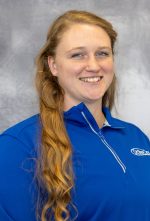
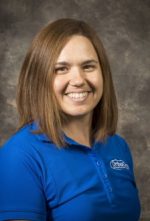
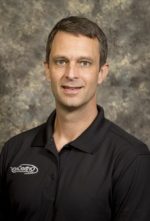
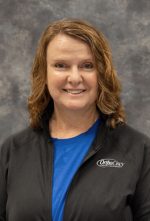
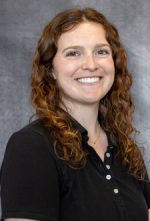
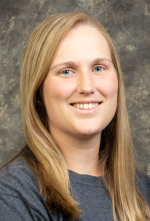
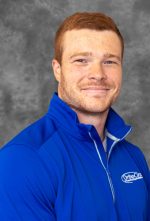
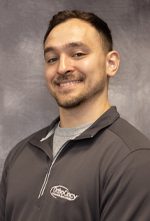
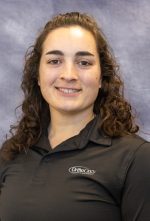
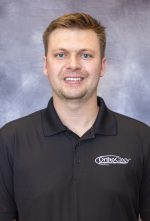
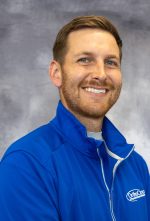
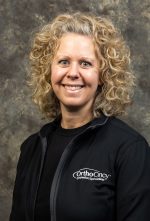
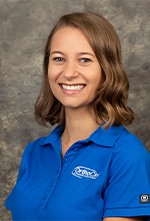
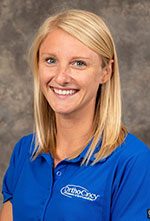
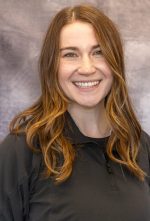
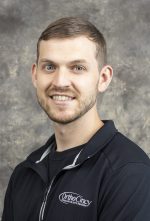
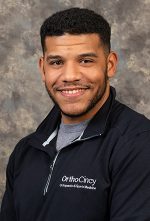
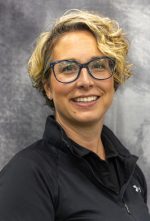
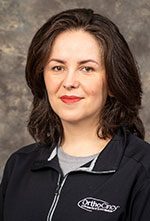
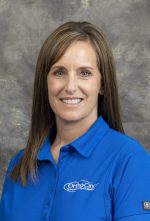
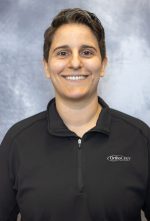
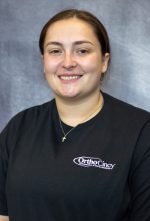
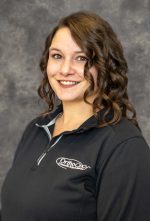
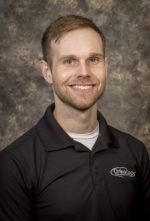
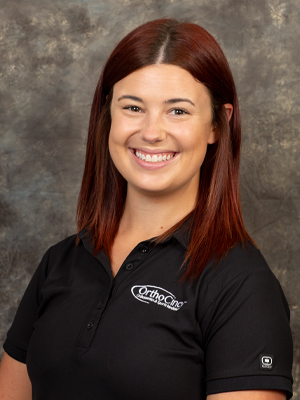
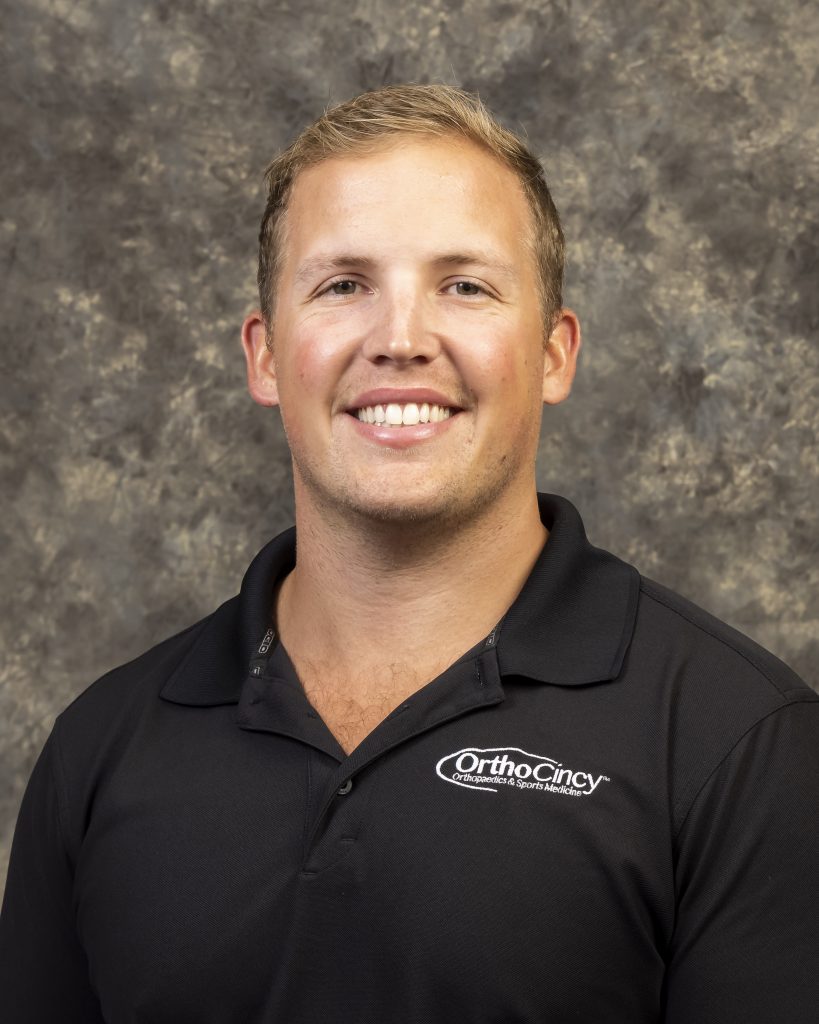
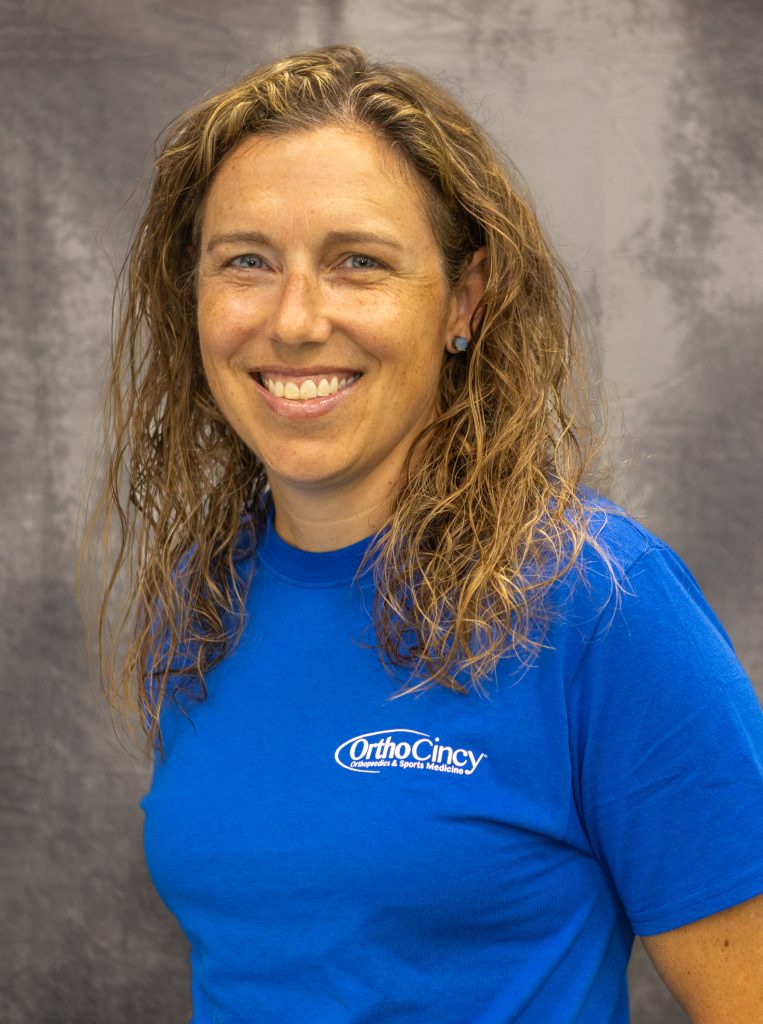
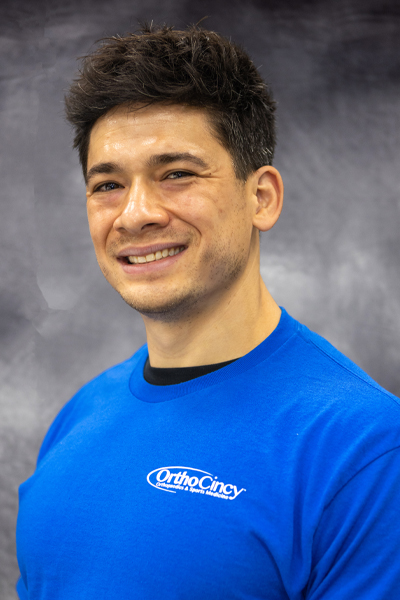
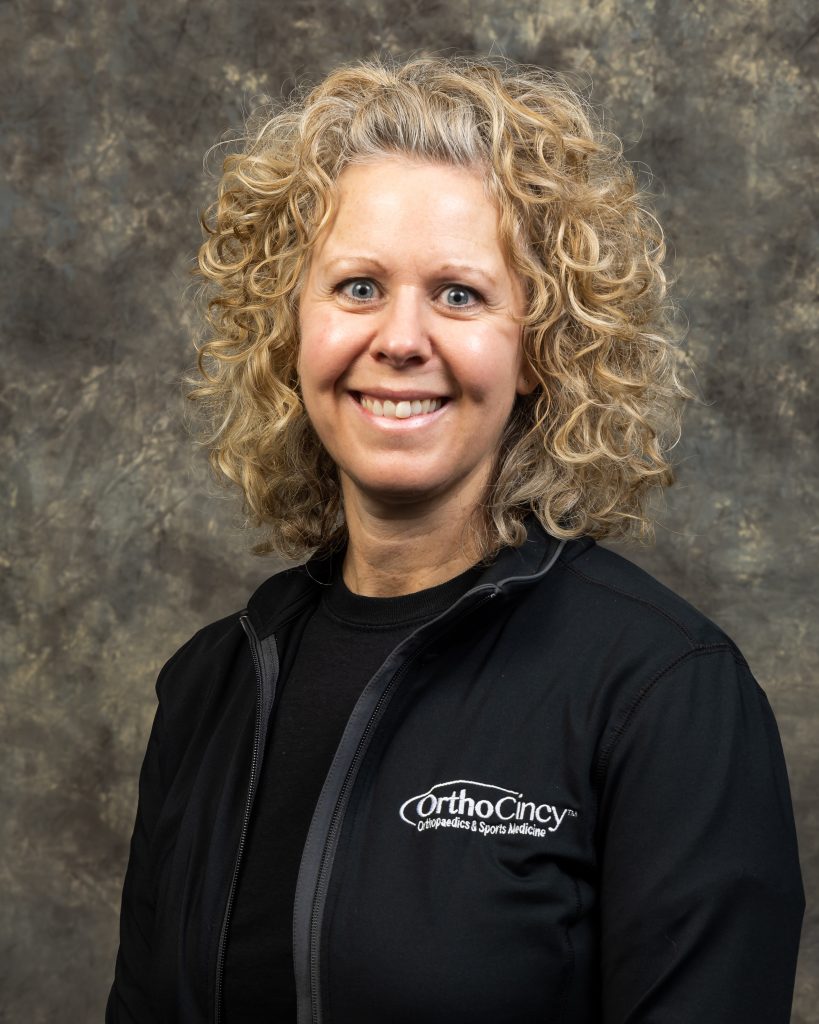
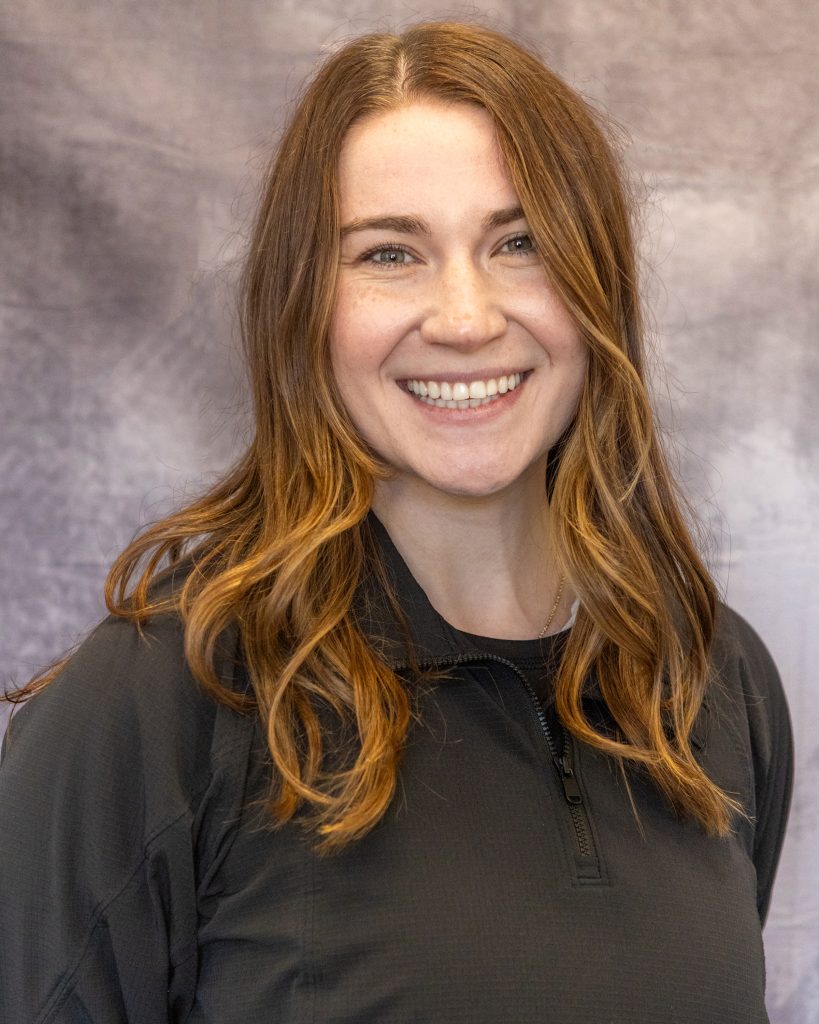
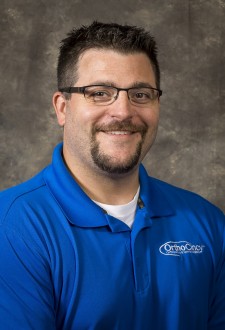
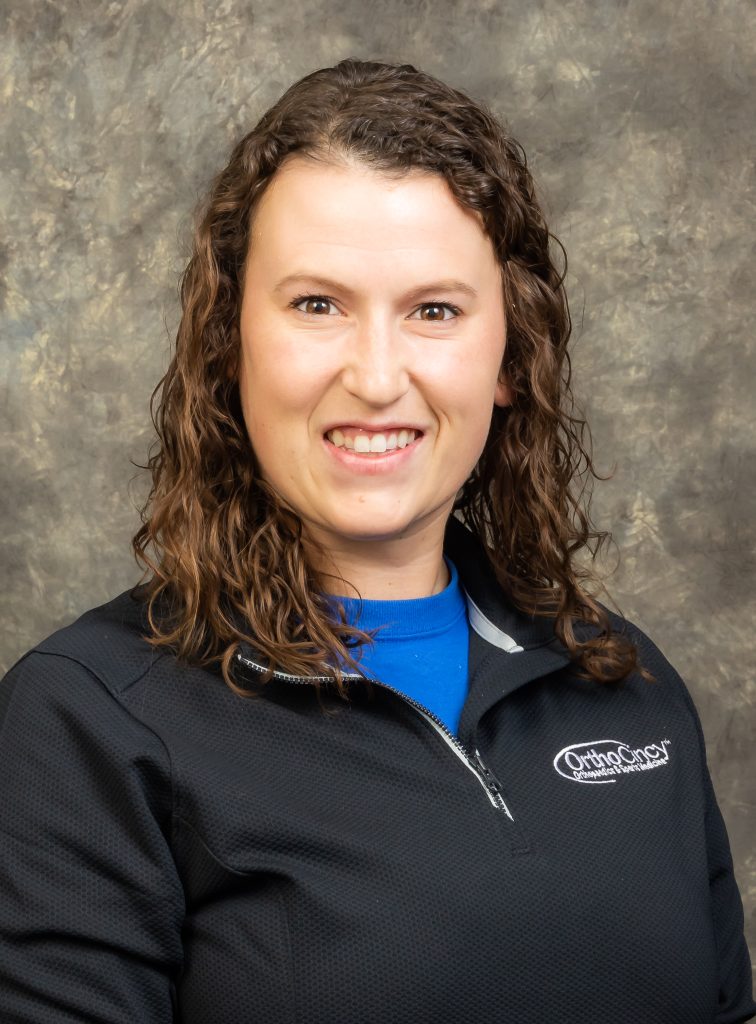
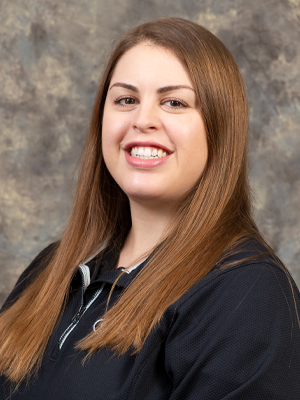
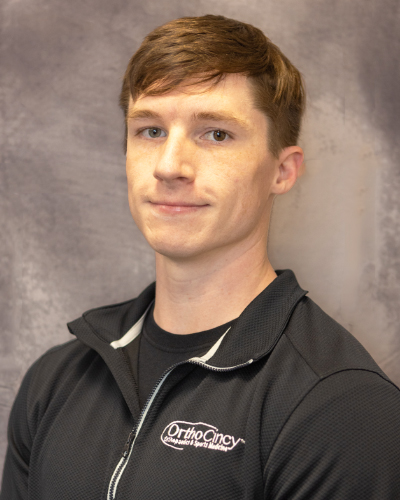
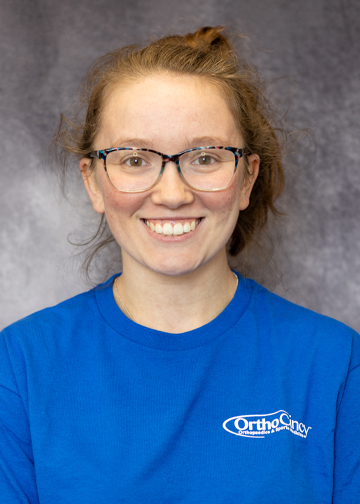
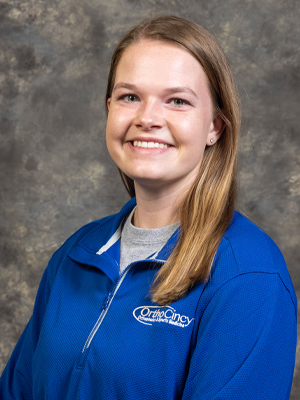
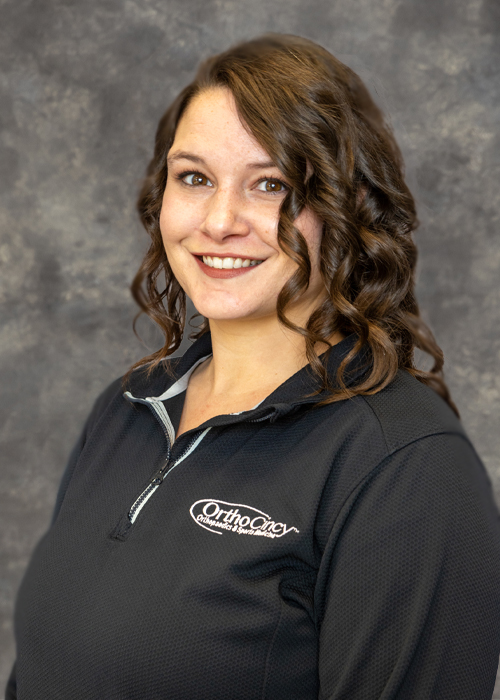
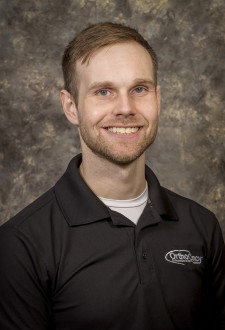
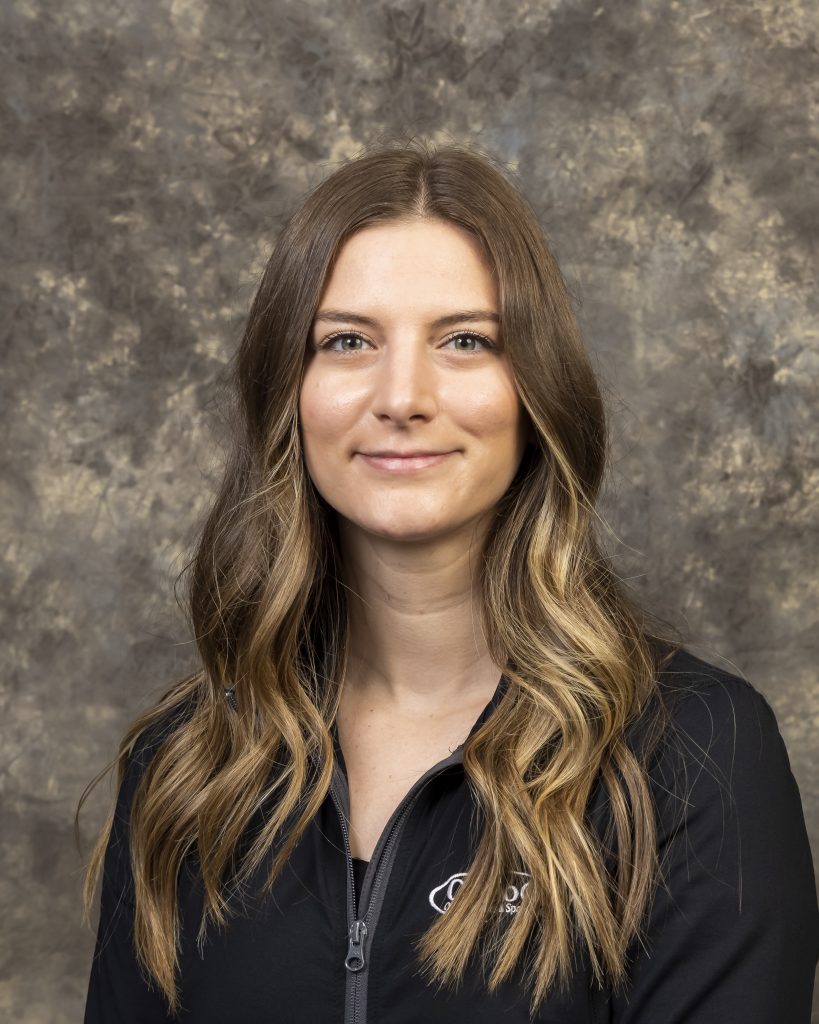
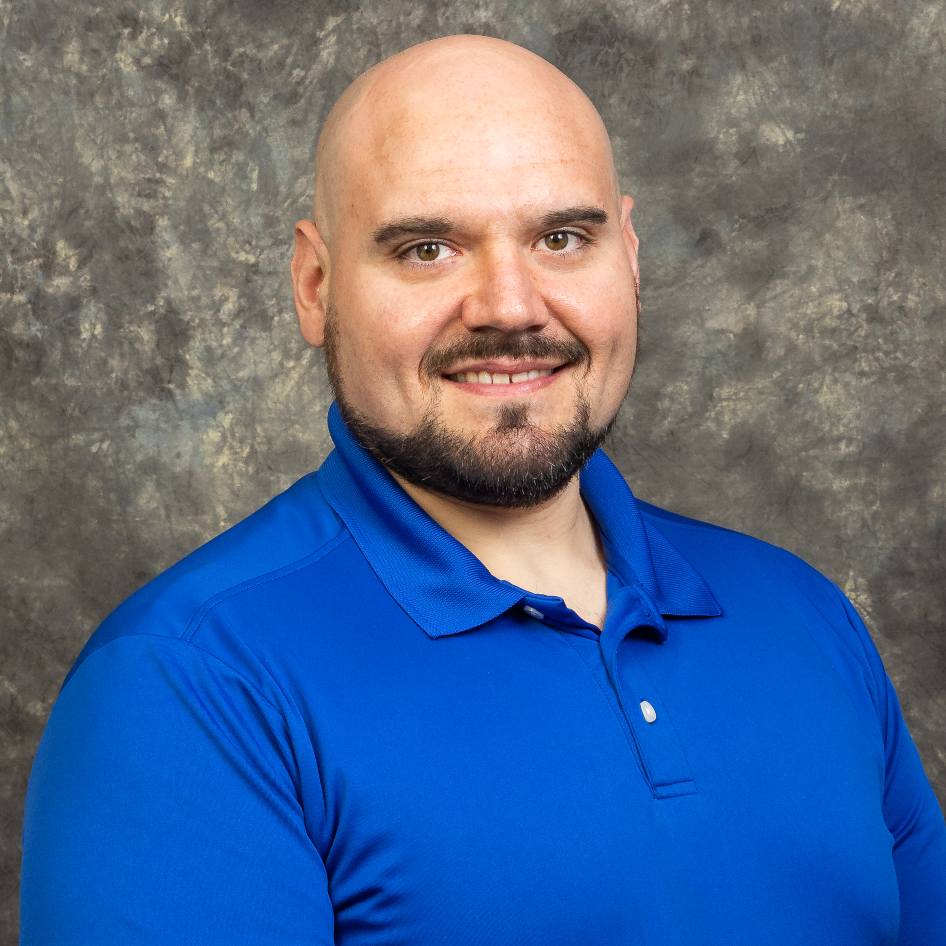
Physical Therapy & Occupational/Hand Therapy Management
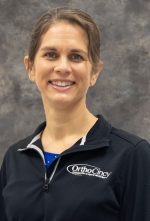
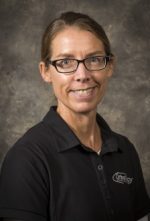
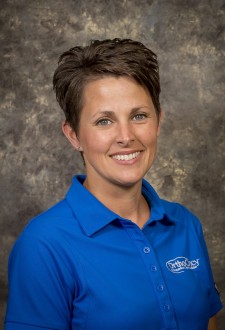
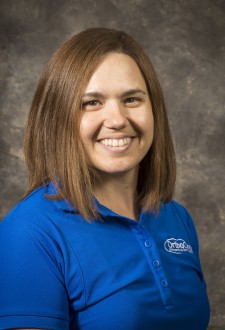
Jill Goodwin
PT, MSPT
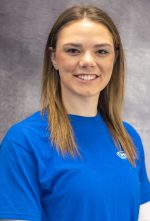
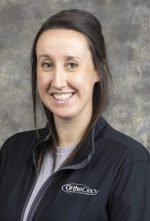
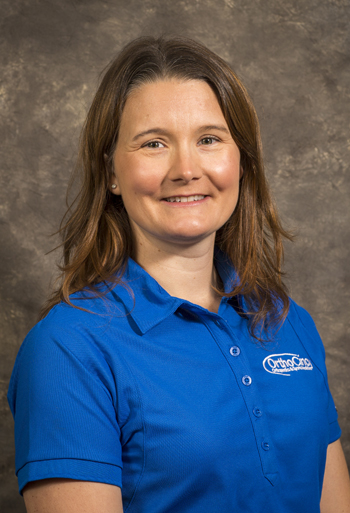
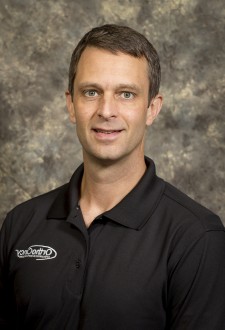
Stacy Eggemeyer
PT, OMT-C
Therapy Supervisor
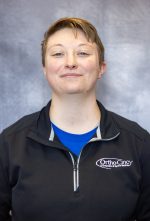
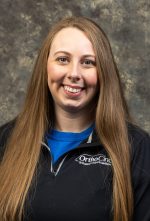
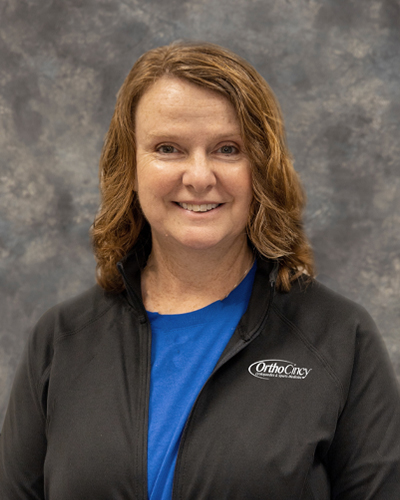
Christine Hendron
PT, DPT
Physical Therapy Supervisor
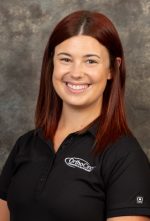
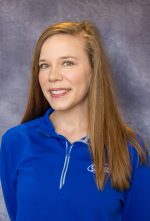
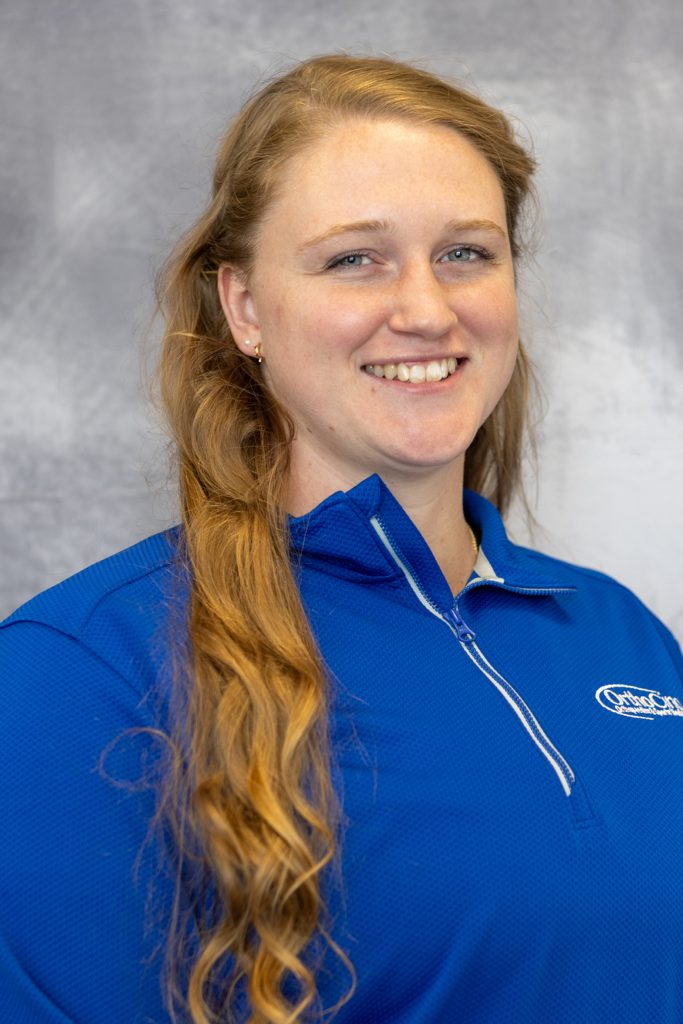
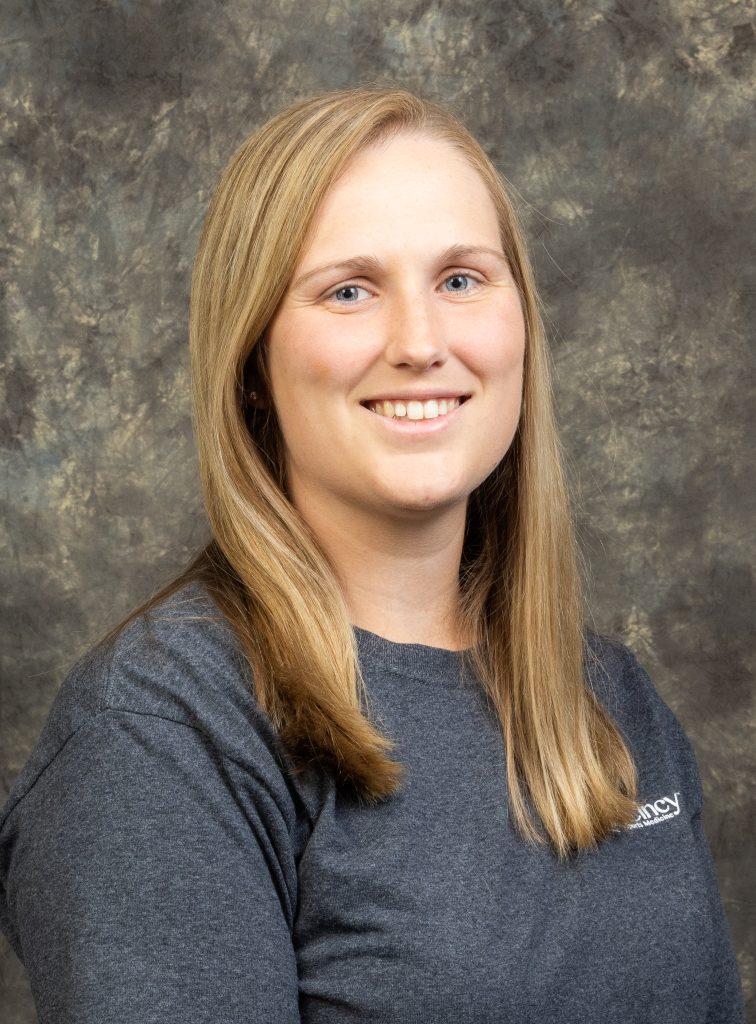
Samantha McCracken
PT, DPT
Therapy Supervisor
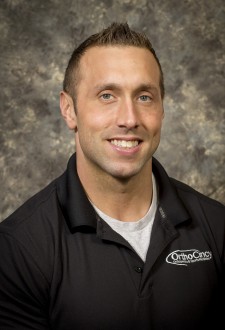
Robert Neltner
PT
Therapy Manager
Mariah Nierman
PT, DPT, ATC
Therapy Supervisor